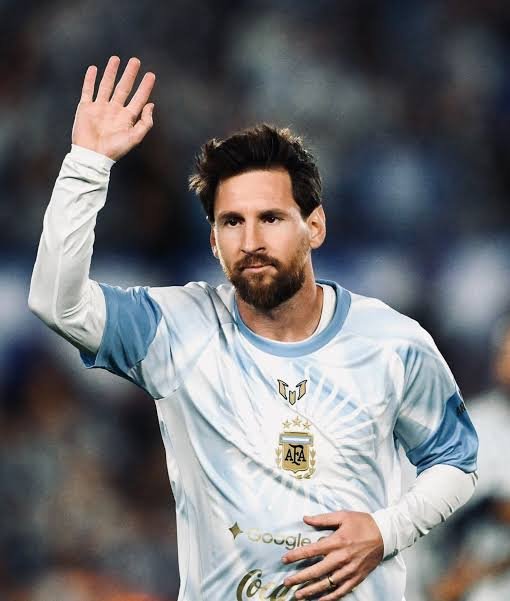
Lionel Messi has closed the most celebrated chapter in Argentine football history, stepping away from the national team at 39.
A Goodbye Delayed by Grief
Lionel Messi has officially retired from international football, ending a 21-year career with Argentina that reshaped what the national team could achieve. The announcement came on a Monday, shared with millions of followers on social media, but the words themselves were written weeks earlier. Messi revealed that he composed the message on July 21, just two days after Argentina lost the 2026 World Cup final to Spain, and chose not to publish it at the time.
The delay was not simply about timing. In the weeks that followed the final, Messi lost his father, Jorge Messi, who died on August 8 at the age of 68 after being hospitalized during the summer tournament. Jorge was far more than a parent: he was his son’s longtime agent and a constant presence throughout a career that spanned continents and decades. Messi said that loss left him more convinced than ever that the moment had arrived.
He described the decision as one that hurt and still hurts deep down, but one he understood to be necessary. He insisted that he had always given everything for the shirt, not only in the recent years of triumph but long before them.
The Numbers Behind the Legend
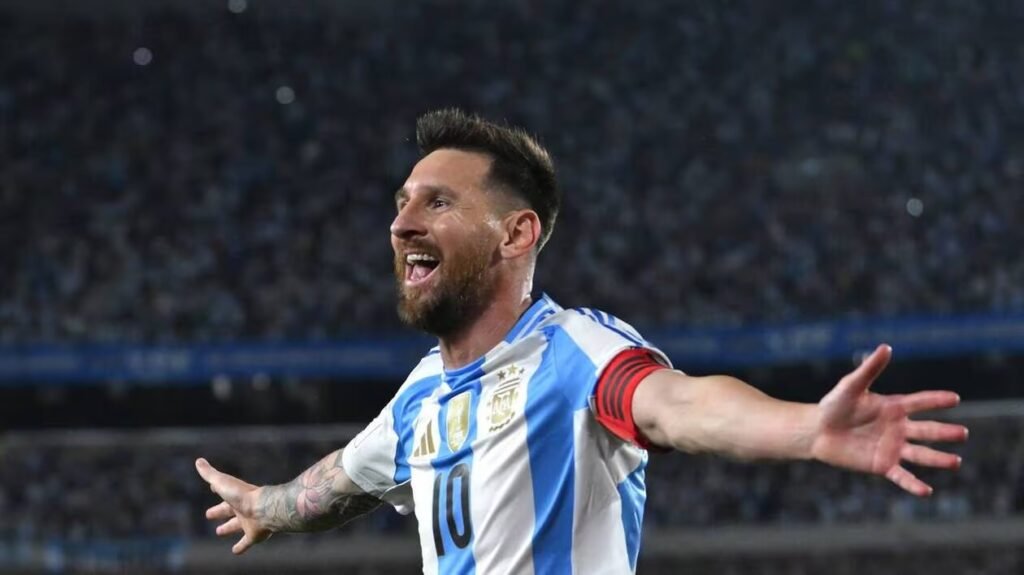
Messi leaves the national team holding the major records. He made 207 appearances for Argentina, more than any other player, and scored 125 goals, the most in the team’s history. He also provided 68 assists, and he stands at the very top of the all-time list for assists in international football. Across all of international soccer, he ranks among the top four for appearances and the top two for goals.
Those figures, remarkable as they are, only tell part of the story. Messi made his international debut in 2005 and spent the next two decades carrying the hopes of a football-obsessed nation, a burden that often seemed heavier than any trophy could lift.
From Heartbreak to Glory
For much of his career, Messi’s international story was defined by near misses. Argentina reached the 2014 World Cup final and lost to Germany. They then lost consecutive Copa América finals in 2015 and 2016, both to Chile. After the second defeat, Messi announced that he was done with the national team, a first retirement that lasted only a short time before he returned.
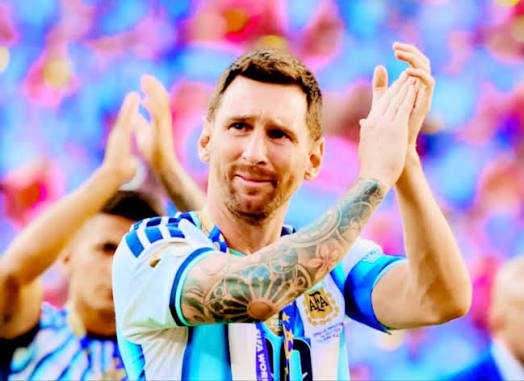
That return changed everything. In 2021, Argentina won the Copa América, ending a long wait for a senior international title. In 2022, in Qatar, Messi captained the side to a World Cup triumph, beating France on penalties in one of the most dramatic finals ever played. In 2024, Argentina added another Copa América crown. Three major titles in a row turned a generation of near misses into a golden era.
One Last Run in 2026
The 2026 World Cup was Messi’s final tournament, and he played it as though age were irrelevant. He guided Argentina to a second consecutive World Cup final, contributing eight goals and four assists across eight games. In the title match, the defending champions fell 1-0 to Spain after extra time, a narrow defeat that denied him a second World Cup.
Even in defeat, the tournament was a fitting finale. Messi captained the team through the knockout rounds and reached the final at an age when most players have long since left international football behind.
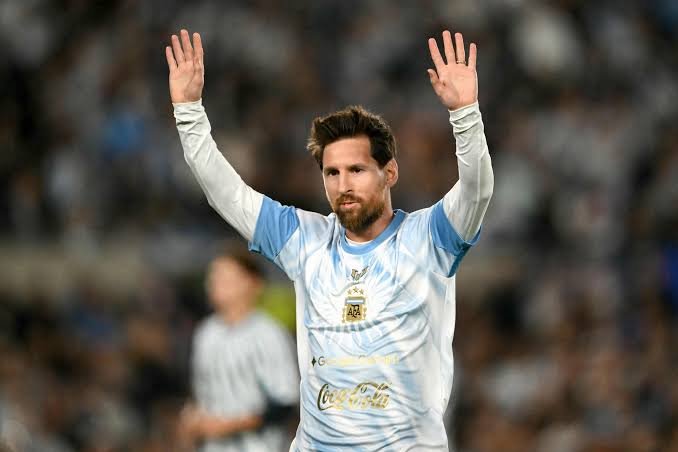
In His Own Words
Messi’s farewell message was emotional and direct. He thanked his family, coaches, teammates, officials and supporters, and spoke of leaving with peace of mind and pride at having given Argentines moments they once only dreamed of. He told fans he would miss hearing them from the pitch so much, and he closed with a line that quickly spread across social media: “Thank you, God, for making me Argentine.”
He also made clear that he is not leaving the sport’s orbit entirely. Messi said he will continue supporting the national team from the outside, as another fan, and that the time has come to give younger players the chance to wear the shirt.
What Comes Next
Messi did not say whether the coming season would also be his last in Major League Soccer. He plays for Inter Miami, whom he led to their first MLS Cup last season while winning league MVP for the second year running. For now, his club career continues, even as his international one is finished.
For Argentina, the challenge is now to build a future without the player who defined its present. The squad he leaves behind is full of players who grew up watching him and who won trophies alongside him. Their task is to carry that confidence forward.
A Legacy That Stands Beside Maradona
Messi retires as a national hero, rivaled only by the late Diego Maradona. The comparison once divided Argentine fans, but the finish to Messi’s career has largely settled it. Where Maradona delivered a single, unforgettable World Cup, Messi delivered a decade of consistency, near misses and eventual triumph, and he did it in a country that demanded perfection.
He is also the most decorated player in the sport’s history, an eight-time Ballon d’Or winner whose influence reaches far beyond Argentina. But when he is remembered, it will likely be for the sky-blue and white stripes: the nights he carried a nation, the finals he lost, and the one he finally won.
The era of Messi in the Argentina shirt is over. The memories it created are not going anywhere.